




 Automotive
 Motorcycle
 Storage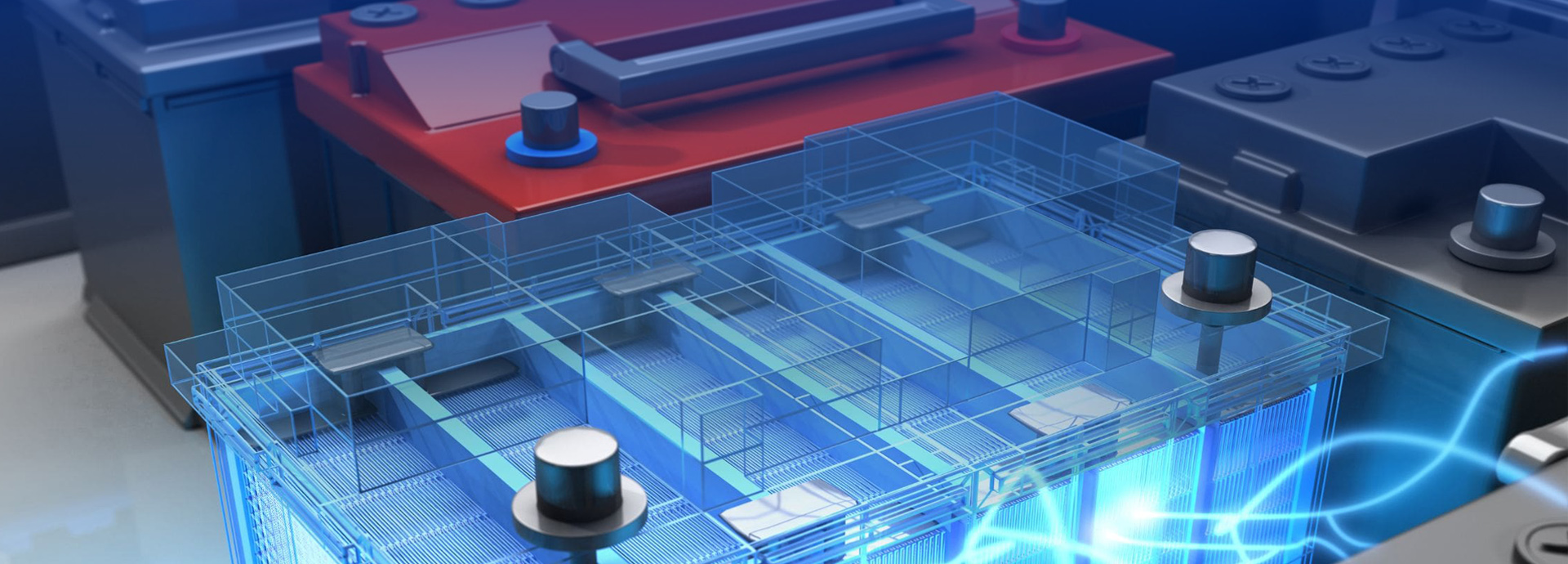
Battery Hub
What Is a Battery?
A battery is a device that stores chemical energy and delivers it as electrical energy. Every battery is built from one or more electrochemical cells, and the way these cells are combined determines the voltage and capacity a battery can provide. Understanding this simple principle is the key to choosing the right battery for any application.
KEY TAKEAWAY
Two differing metals in an electrolyte solution create voltage. Connect cells in series to multiply it - that is all a battery is, and it is why a 12 V lead-acid battery holds six 2 V cells.
How a Battery Creates Voltage
A battery is a device consisting of one or more identical, interconnected electrochemical cells that store chemical energy. Whenever two differing metals are placed in an electrolyte solution, a galvanic cell is formed and voltage is created between the two metals.
This voltage depends on three factors: the type of metals used (their position in the electrochemical voltage series), the concentration of the solution, and the temperature. By connecting several cells in series, a battery multiplies the voltage of a single cell - which is exactly how a 12 V lead-acid battery reaches its rated voltage.
Primary vs. Secondary Batteries
Whether a battery can be recharged separates all batteries into two families:
| Type | Rechargeable | Typical Use | Examples |
|---|---|---|---|
| Primary batteries | No - discharged once | Low-drain devices | Zinc-carbon, alkaline, lithium primary cells |
| Secondary batteries | Yes - recharged many times | Vehicles, backup power, energy storage | Lead-acid, lithium-ion, NiMH |
Lead-acid batteries belong to the secondary family: they can be recharged repeatedly during their service life, which is what makes them suitable for vehicles and standby power systems.
Battery Types by Application
Batteries are also differentiated by their area of application:
| Application | Battery Category | What It Does |
|---|---|---|
| Engine starting | SLI batteries (starting, lighting, ignition) | Delivers a large amount of energy for a short period and initiates several thousand starting procedures over its life |
| Small electronics | Portable device batteries | Powers small items of electrical equipment |
| Electric traction | Traction batteries | Drives electric vehicles and industrial trucks such as forklifts |
| Backup power | Stationary batteries | Provides uninterrupted power supply for critical systems |
Starter batteries deserve a special mention: they are engineered to supply a very high current for a few seconds - enough to crank a combustion engine - and then recover as the alternator recharges them.
Inside a Lead-Acid Battery
In a lead-acid battery, the positive electrode is made of lead oxide and the negative electrode of lead. Diluted sulfuric acid serves as the electrolyte and provides a rated voltage of 2 V per cell. A 12 V battery therefore contains six cells interconnected in series.
Beyond the electrodes, battery types also differ in their construction: the grid alloys used for the plates, and whether the cell is vented or valve regulated. These construction differences create the battery families explored in our guide to lead acid battery types - flooded, AGM, EFB, SMF and more.
Why Lead-Acid Batteries Remain the Standard
The principle of the lead-acid battery is relatively old, yet it remains in successful use across the world. The reason is simple: no other rechargeable battery technology offers the same compromise between reliability, usability, robustness and price. From a single car to a fleet, from telecom towers to forklifts, lead-acid chemistry keeps proving that a mature technology can still be the best technology.
For a structured walk through all battery fundamentals, explore our battery basics library. If you are sourcing starter batteries for vehicles or equipment, our SLI automotive batteries range covers the full series.
Battery FAQs
What is the difference between a cell and a battery?
A cell is a single electrochemical unit that produces voltage. A battery is one or more cells connected together - a 12 V lead-acid battery, for example, contains six 2 V cells wired in series.
What are primary and secondary batteries?
Primary batteries can only be discharged once and then discarded. Secondary batteries can be recharged many times during their service life. Lead-acid batteries are secondary batteries.
How does a battery produce voltage?
When two differing metals sit in an electrolyte solution, a galvanic cell forms and a voltage develops between them. The voltage level depends on the metals used, the solution concentration and the temperature.
Which battery is used to start a car engine?
An SLI battery (starting, lighting, ignition). It supplies a large amount of energy for a short period - enough to crank the engine - and can perform several thousand starting procedures over its service life.
Are all batteries rechargeable?
No. Primary batteries are single-use. Secondary batteries, including all lead-acid batteries, can be recharged repeatedly - which is why they power vehicles, backup systems and energy storage worldwide.